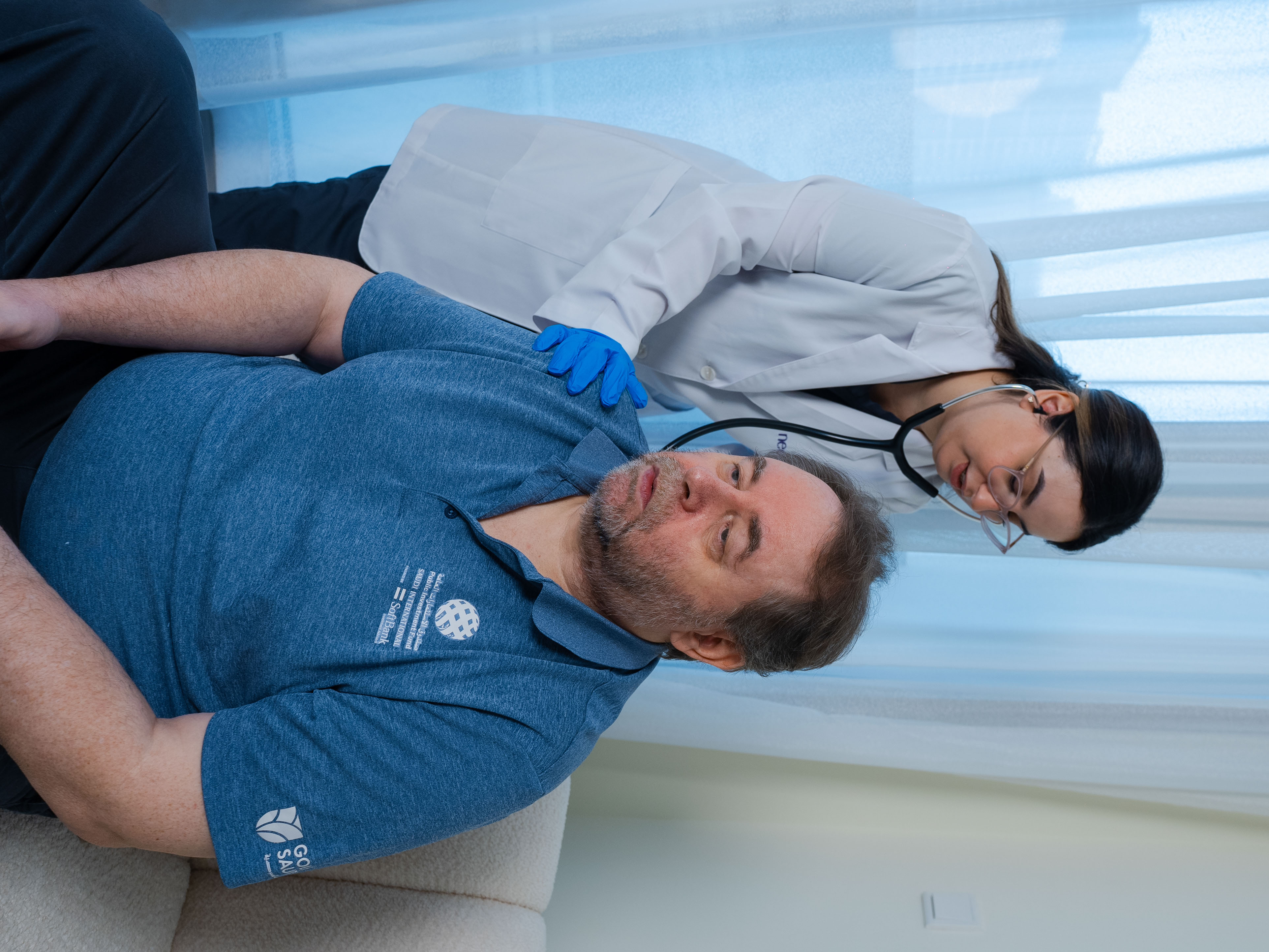
Managing Chronic Conditions in the Elderly: What Caregivers Should Know
- Understanding Chronic Conditions in Older Adults
Chronic conditions are long-term health issues that typically require continuous management rather than one-time treatment. Many elderly individuals live with more than one condition, making care more complex. Regular monitoring and early intervention are key to preventing complications and maintaining stability.
- Build a Coordinated Care Plan
Effective chronic care starts with a well-coordinated support system. This may include doctors, specialists, nurses, and caregivers working together. Clear communication ensures treatments are aligned and adjusted as health needs change.
- Follow Treatment and Medication Plans
Consistency plays a critical role in managing chronic illnesses. Caregivers should ensure medications are taken as prescribed, appointments are attended, and any changes in symptoms are reported to healthcare professionals. Structured routines help reduce risks and improve outcomes.
- Monitor Health and Symptoms Regularly
Keeping track of symptoms and daily health indicators can help caregivers detect changes early. Monitoring vital signs, noting changes in appetite or energy, and maintaining basic health records can support better medical decision-making.
- Support Healthy Daily Habits
Lifestyle choices significantly impact chronic condition management. Encouraging balanced meals, light physical activity, adequate hydration, and proper sleep can help seniors manage symptoms and improve overall well-being.
- Provide Emotional and Social Support
Living with a chronic condition can be emotionally challenging. Regular social interaction, reassurance, and emotional support can help reduce feelings of isolation and improve mental well-being, which plays an important role in physical health.
- Remember the Caregiver’s Well-Being
Caregiving can be demanding. Taking time to rest, seeking support when needed, and prioritizing self-care helps caregivers stay healthy and provide better long-term support.
Managing chronic conditions in the elderly requires patience, planning, and informed care. With the right support system and proactive approach, caregivers can help seniors maintain comfort, dignity, and independence.
At NeoHealth, we are committed to supporting families with professional guidance and compassionate elderly care services.
Related Blogs
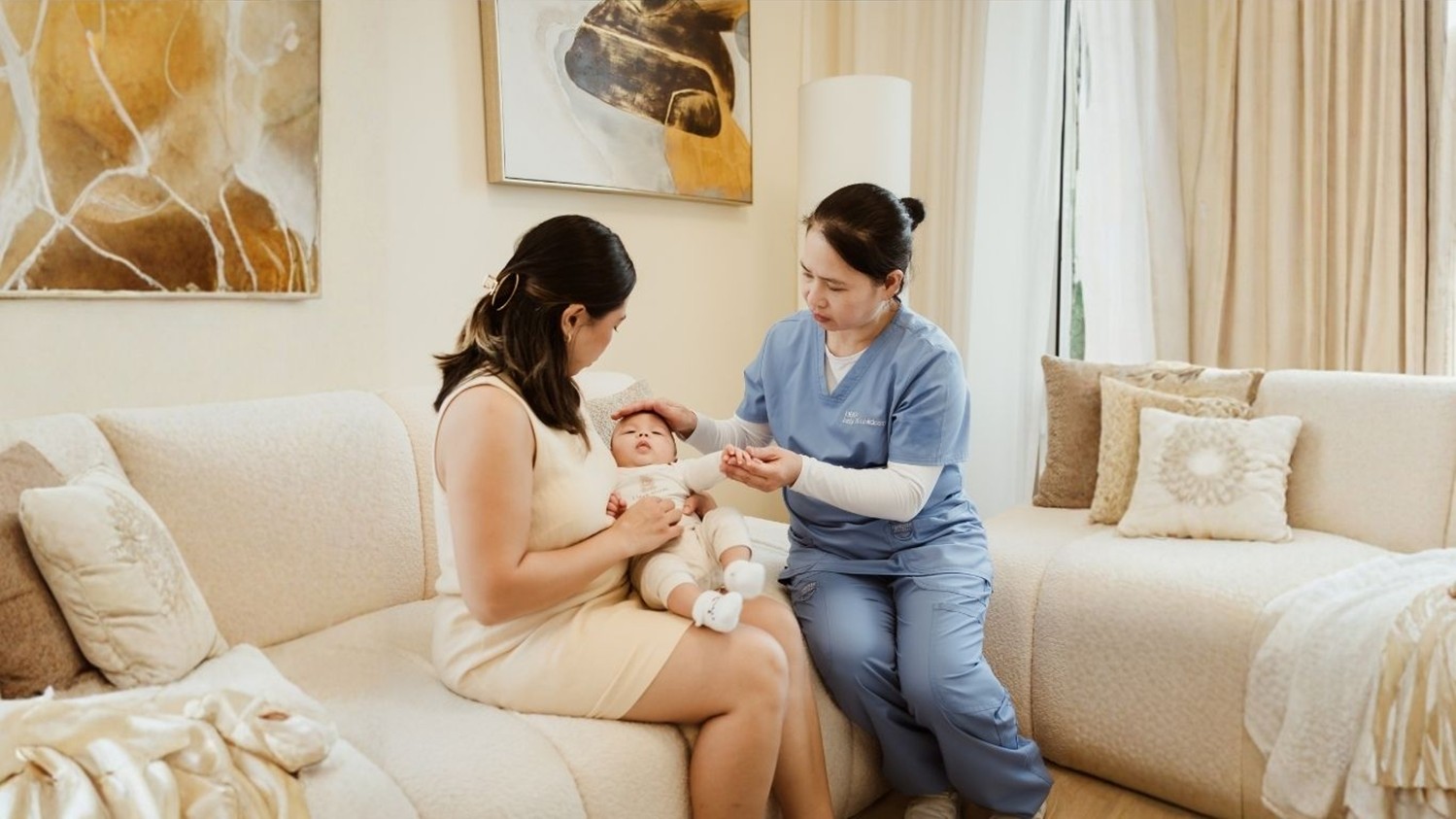
Newborn Care at Home: A Guide for the First Few Weeks
Feb 02, 2026Bringing your newborn home is a joyful milestone, but it can also feel overwhelming, especially in the first few weeks. During this time, babies need frequent feeding, rest, comfort, and gentle care. Knowing what to expect can help parents feel more confident and prepared as they adjust to life with a newborn.
READ MORE

Tips to Follow for a Healthy Ramadan Fasting Routine
Feb 02, 2026As Ramadan draws closer, fasting for long hours can bring changes to eating habits, sleep patterns, and energy levels. Preparing your body in advance and following healthy Ramadan practices can help you stay energized, nourished, and well throughout the month. Here are essential health tips to help you fast in a balanced and sustainable way.
READ MORE
How DHA-Licensed Home Nurses Improve Patient Recovery
Nov 19, 2025In Dubai, NeoHealth has redefined home healthcare by providing DHA-approved nurses who bring hospital-level standards to every household. Their goal is simple: to make recovery faster, safer, and more personal.
READ MORE